Source Face Blusher for Daily, Beauty, and Common Life Makeup
Explore 30 face blusher options from Guangdong and Guangxi suppliers. Buyers can compare powder, liquid, and cream forms with waterproof and long-lasting features for daily, beauty, and common life makeup applications; compare the available evidence and request quotations based on your requirements.
Key considerations
Products List







Comprehensive Sourcing Guide
Face Blusher Sourcing Guide
Face blusher remains one of the most reliably replenished color-cosmetics categories, which makes it attractive for private-label programs, retail bundles, and beauty subscription assortments. Buyers sourcing from Chinese manufacturing hubs typically encounter two dominant product families: pressed or loose powder blushers sold in compact form, and liquid or cream formulas marketed for blendable, natural finishes. The listings observed for this guide reflect that split, with powder formats emphasizing mineral-based ingredients and waterproof function, while liquid variants are specified in small-volume units such as 5ml and 19ml fill sizes.
Before committing to a supplier, clarify which format your target customer expects, because packaging tooling, filling lines, and minimum order economics differ substantially between powder compacts and liquid or cream products. This guide walks through the specification, compliance, cost, and quality-control decisions that determine whether a blusher listing can be converted into a dependable repeat-purchase supply arrangement rather than a one-off sample order.
Product Scope and Observed Listing Signals
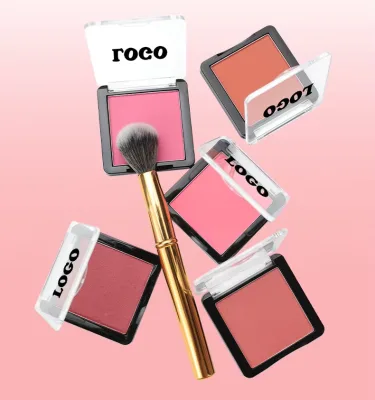
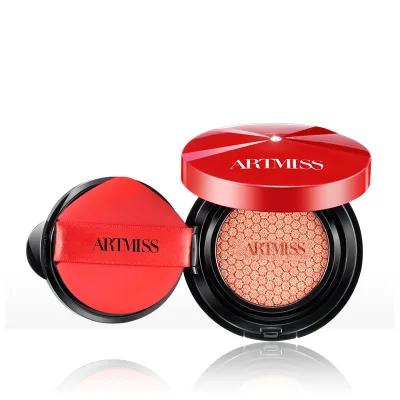
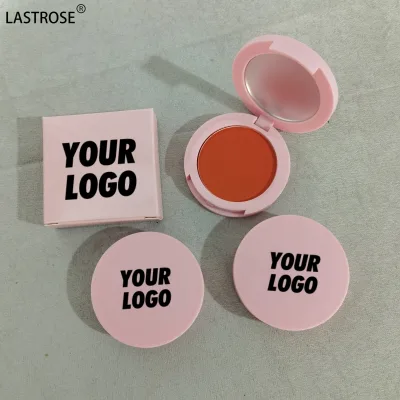
The observed listings cluster around recognizable commercial signals. Powder products are described as mineral-based, waterproof, and suitable for daily or common-life makeup, with models such as SM-MP-999 and SH-05 listed in regular sizes and package formats including color boxes and single-piece boxes. One powder item is specified at 115g with a single gross weight of 0.080 kg for a 2g net product, illustrating how listings mix unit weights and net fill weights—always confirm which figure applies before comparing prices.
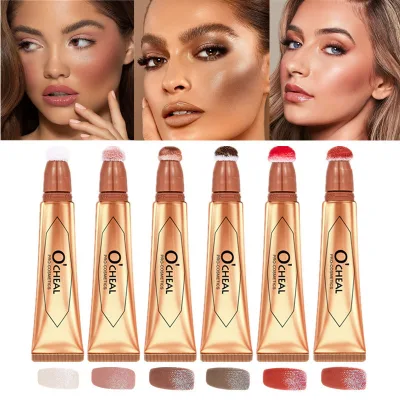
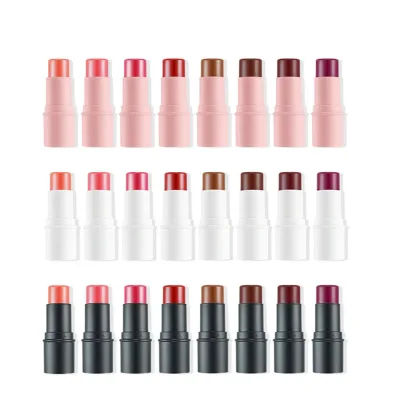
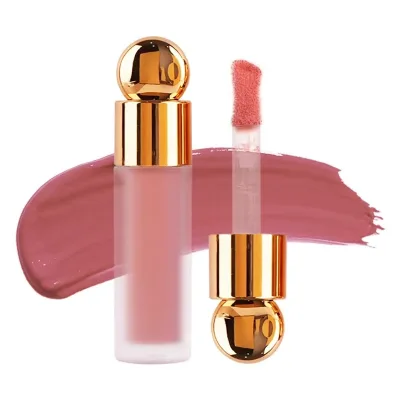
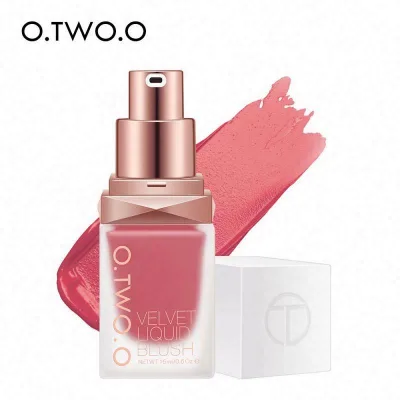
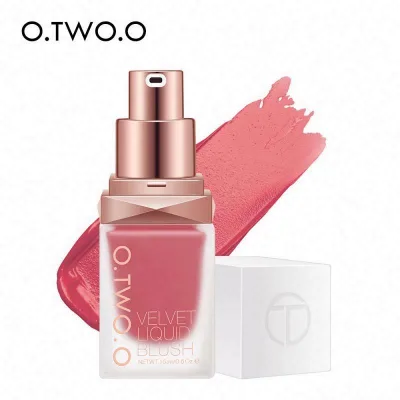
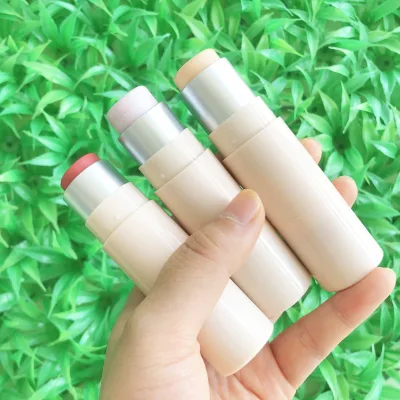
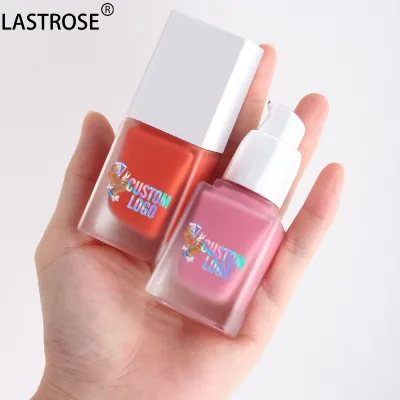
Liquid and cream formats appear under models JN23147 and JN23149 with fill standards of 10g and 5ml, positioned with natural or matte finishes and single-color presentations. Several listings advertise eight-color assortments or mixed shades, and skin-tone claims span light, medium dark, and dark. Customization and private-logo services, including silk-screen printing, are repeatedly flagged as advantages, confirming that OEM/private-label work is the default commercial mode in this category rather than a special arrangement.
Technical Specifications to Verify
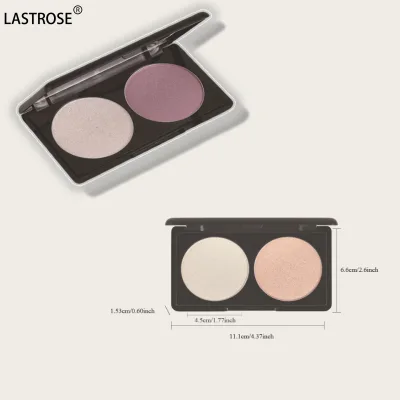
For powder blushers, verify the actual net fill weight, pan diameter, and case dimensions against the supplier's declared standard, since observed listings combine figures such as 2g net weight with 7×7×3 cm package dimensions. Ask for the full ingredient breakdown and confirm whether the mineral content claim refers to the pigment base or the whole formula. Test pressed-powder hardness and drop resistance, because fragile compacts are the most common transit-damage complaint in this category, particularly for shipments in simple color-box packaging.
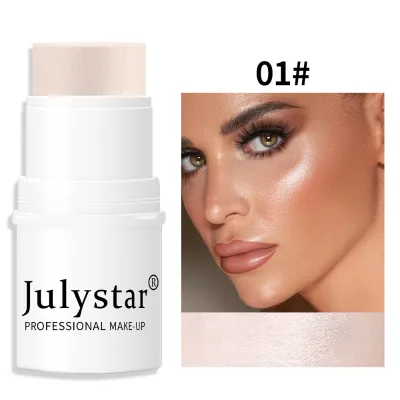
For liquid and cream products, confirm the declared fill standard (5ml, 10g, and 19ml appear in the observed listings) and whether tolerance is stated. Verify applicator type—doe-foot, sponge, or brush tip—since it drives both cost and user experience. Request the finish specification in writing; natural and matte are both claimed across listings, but the terms are used loosely. For waterproof claims, ask what test method supports the label. Shade accuracy is critical: require physical shade-matching against a retained master standard for every production batch.
Compliance and Safety Documentation
The listings in this dataset reference MSDS as the available certification, which is a baseline document describing material properties and handling—it is not a product-safety registration. Buyers exporting to regulated markets should treat MSDS as a starting point and confirm with the supplier exactly which additional documentation they can produce: full ingredient declarations (INCI nomenclature), stability and microbial challenge test reports, and any region-specific registration the destination market requires, such as CPNP notification for the EU or FDA facility and product listing expectations for the United States.
Do not accept marketing claims as compliance evidence. If a listing states the product is waterproof, long-lasting, or mineral-based, ask what supporting documentation exists and whether the formula was tested as sold, or only as a reference sample. Verify labeling requirements for your market—ingredient lists, batch codes, responsible-person details, and shelf-life marking—and confirm the supplier can print compliant labels in the required language. Records of batch coding and retained samples should be a contractual expectation, not a courtesy.
Cost Drivers and Commercial Terms
Observed listed prices span roughly USD 0.4 to 8 per unit, a range wide enough to signal very different product tiers, fill sizes, and packaging levels. When comparing quotes, normalize to net fill weight and packaging specification: a 2g pressed compact and a 10g cream stick cannot be compared on unit price alone. Customization features—private-label decoration, silk-screen printing, custom color boxes, and multi-shade assortments—each add unit cost and may raise minimum order quantities because of printing plate and component-order thresholds.
Observed MOQs range from 1 to 6,000 units, with some listings advertising as few as 2 sets, so the commercial floor varies enormously across suppliers. Low advertised MOQs often indicate stock or semi-custom products with limited shade and packaging flexibility. Negotiate tiered pricing against realistic volumes, and clarify incoterms, payment terms, tooling charges for private molds, and reprint fees for artwork changes. Confirm whether quoted prices include the color-box packaging that several listings specify as the default packing format.
Supplier Qualification and Quality Control
Qualify suppliers on manufacturing capability rather than listing polish. Verify whether the factory produces blusher in-house or assembles bought-in components, since this affects both quality control over shade consistency and the supplier's ability to respond to formula or packaging changes. For Guangdong-based suppliers—the dominant origin in the observed listings—site visits or third-party factory audits remain the most reliable verification route; for Guangxi-origin listings, the same diligence applies. Ask for evidence of past private-label work, including silk-screen printing and custom logo capability.
Establish a pre-shipment inspection protocol covering shade match against the approved master standard, fill weight, drop-test results for compacts, packaging integrity, and label accuracy. Require a golden sample signed by both parties before mass production, and retain sealed counter-samples for dispute resolution. For liquid and cream formats, add leak testing and applicator-function checks. Define the acceptance sampling plan and the remedy for failed lots—rework, replacement, or credit—before placing the first order, not after a quality dispute arises.
Long-Term Procurement Checks
Build the relationship around reproducibility. Demand that the supplier maintain batch records linking each shipment to its formula version, pigment lots, and component suppliers, so that future orders reproduce the approved shade rather than drifting. Re-audit annually or whenever the supplier changes pigment suppliers, filling equipment, or packaging vendors—changes that are common in this category and are the leading cause of shade and texture inconsistency across reorders.
Plan for continuity of components and packaging. Private-logo compacts and color boxes often depend on specific mold or print vendors; confirm who owns the tooling and what happens to it if the relationship ends. Monitor the supplier's ability to extend the shade range—several observed listings advertise eight-color assortments and multi-tone coverage, which is valuable if your assortment grows. Track reorder lead times and defect rates across batches as the practical measure of supplier reliability, and keep a qualified backup source for the same specifications so that a single supplier disruption does not interrupt your retail supply.
FAQs
What forms of face blusher are available for daily makeup?
Face blusher is available in powder, liquid, and cream forms to suit different preferences. Powder options often feature mineral ingredients for a natural finish. Liquid and cream variants provide a matte or natural look. These forms cater to common life makeup needs and allow for customization with private logos via silk screen printing.
Can face blusher products be customized with a private logo?
Yes, customization is available for face blusher products. Suppliers offer private logo options, typically applied through silk screen printing. This allows brands to create unique packaging, such as color boxes, for their specific identity. Customization supports various skin tones and ensures the product aligns with your brand's visual requirements for daily use.
What certifications are required for face blusher suppliers?
Face blusher suppliers must provide MSDS certification to ensure product safety and compliance. This documentation is essential for international shipping and regulatory adherence. Buyers should verify that the manufacturer holds valid MSDS records before placing orders. This certification confirms the product meets specific safety standards for cosmetic ingredients and usage.
What are the typical MOQs for face blusher orders?
Minimum order quantities for face blusher range from 1 to 6000 units depending on the supplier. Some vendors accept low MOQs like 2 sets for testing, while others require higher volumes. Buyers should check specific product models for exact MOQ requirements. Flexible MOQs allow businesses to start small or scale production based on market demand and inventory needs.
Where are face blusher manufacturers located?
Face blusher manufacturers are primarily located in Guangdong and Guangxi, China. These regions are known for their robust cosmetic production capabilities. Buyers can source products from these areas to benefit from established supply chains. The origin location often influences lead times and shipping logistics for international orders.
What packaging options are available for face blusher?
Face blusher is commonly packaged in color boxes for retail presentation. Some products are sold as single items per box. Packaging dimensions vary, with some single packages measuring 7x7x3 cm. Buyers can choose packaging that fits their branding needs, ensuring the product is protected and visually appealing for daily makeup usage.